How to Prevent Cavities in Kids: A Parent’s Complete Guide
Cavities are one of the most common dental problems affecting children, yet they are highly preventable. As parents, understanding how to effectively avoid cavities in your child’s teeth is crucial to protecting their overall health and saving your family from pain, costly dental treatments, and frequent dental visits.
This comprehensive guide will address common questions about cavity prevention, share unique and effective strategies, and offer practical, easy-to-follow tips. With this knowledge, you can confidently safeguard your child’s smile and promote lifelong healthy oral habits.
What Are Cavities?
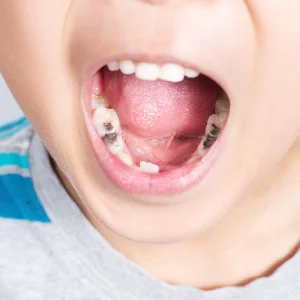
A cavity, also known as dental caries, develops when the hard outer layer of the tooth, called enamel, is damaged due to acid produced by bacteria. These bacteria feed on sugars and starches left on teeth from food and drinks. Over time, the acid erodes the enamel, creating tiny holes or decay spots. If cavities are not treated promptly, they can deepen, causing tooth sensitivity, pain, infections, and potentially leading to tooth loss or more serious oral health problems.
Why Are Cavities Common in Children?
Children are more prone to cavities for several important reasons. First, they are still learning how to brush and floss effectively, which can leave plaque and food particles on their teeth. Second, children often consume sugary snacks and drinks more frequently, providing fuel for decay-causing bacteria. Additionally, some children may not get enough fluoride, a mineral that helps strengthen enamel and prevent cavities. Although primary (baby) teeth eventually fall out, they are essential for proper speech development, efficient chewing, and holding space for adult teeth to grow in correctly. Neglecting baby teeth can lead to more serious dental problems later on.
How to Prevent Cavities in Kids:
Prevention of cavities is absolutely achievable with consistent care. Here’s how you can start today:
1. Establish Consistent Oral Hygiene Habits
- Brushing Twice Daily: Use a soft-bristled, child-sized toothbrush and fluoride toothpaste. Encourage brushing for two minutes, covering all tooth surfaces, twice daily.
- Flossing: Once your child has two teeth touching, flossing becomes essential to remove plaque between teeth.
- Supervision: Children younger than 8 often need help brushing and flossing properly. Make it a fun, bonding experience.
2. Understand the Role of Fluoride
Fluoride strengthens enamel and prevents decay. At Little Diamonds Pediatric Dentistry, we recommend fluoride varnish applications during visits. Ask us about fluoride levels in your tap water or whether your child should use a fluoride rinse.
3. Manage Diet Wisely
- Limit sugary and sticky snacks such as candies, gummies, and sodas.
- Encourage teeth-friendly foods like cheese, nuts, and fresh vegetables.
- Avoid prolonged exposure to sugary drinks, especially before bedtime, as this increases cavity risk.
4. Schedule Regular Dental Visits
Routine visits every six months allow for early cavity detection and professional cleaning. At your appointments, we provide personalized advice tailored to your child’s unique needs.
Effective Treatments to Prevent Cavities
While daily oral care and diet play a major role in cavity prevention, certain professional treatments can significantly boost your child’s defense against tooth decay.
1. Dental Sealants
Sealants are a protective shield applied as a thin, durable coating on the chewing surfaces of back teeth (molars and premolars). These areas often have deep grooves where food particles and bacteria easily get trapped, making them prime spots for cavities.
- How it works: Sealants create a smooth surface over pits and fissures, preventing bacterial buildup.
- Application: The process is quick, painless, and non-invasive, perfect for kids.
- Longevity: Sealants can last several years with proper care, providing ongoing protection.
2. Fluoride Treatments
Fluoride is the cornerstone of cavity prevention. Professional fluoride applications provide a higher concentration of fluoride than toothpaste or mouth rinses.
- Purpose: Strengthens tooth enamel, making it more resistant to acid attacks.
- Types: Fluoride varnishes are most common in pediatric dentistry because they are easy to apply and taste pleasant.
- Frequency: Recommended during routine dental exams, typically every 3 to 6 months depending on your child’s risk level.
3. Antimicrobial Treatments
For children at high risk of decay, antimicrobial rinses or gels can reduce harmful bacterial levels in the mouth.
- Benefits: These treatments reduce the amount of decay-causing bacteria, further limiting cavity development.
- Usage: Often prescribed in conjunction with other preventive measures.
4. Early Orthodontic Assessment
Misaligned teeth can create hard-to-clean areas prone to decay.
- Why it matters: Early assessment and guidance on teeth alignment can prevent cavities by making brushing and flossing more effective.
- Our approach: We work with orthodontic specialists to recommend timely interventions if needed.
5. Customized Oral Hygiene Plans
Not every child has the same cavity risk factors. We provide personalized oral care plans that may include specialized brushes, flossers, or rinses tailored to your child’s unique dental anatomy and habits.
Little-Known Tips That Set Us Apart
Most of what you’ve heard about cavity prevention centers on brushing and diet, but here are some lesser-known insights we provide:
- Sealants: These thin protective coatings applied to molars prevent bacteria from settling into grooves.
- Xylitol Use: A natural sweetener found in some gums and toothpastes, xylitol inhibits decay-causing bacteria.
- Saliva’s Role: Hydration helps maintain saliva flow, which naturally protects teeth by neutralizing acids.
- Timing of Sugar Intake: Consuming sweet treats alongside meals rather than separately reduces cavity risk.
Protect Your Child’s Smile – Start Preventing Cavities Today
Preventing cavities is one of the most important steps you can take to ensure your child’s lifelong oral health. By combining daily good habits, smart dietary choices, and professional treatments like sealants and fluoride applications, you give your child the best chance to maintain a strong, healthy smile. At Little Diamonds Pediatric Dentistry, we are committed to guiding families through every step with personalized care tailored specifically for children.
Don’t wait for cavities to develop; take charge of your child’s dental health today. Schedule their first appointment with us and discover how easy and effective cavity prevention can be.
Call us now at (571) 281-8714 or visit us at 3803 Fairfax Dr #100, Arlington, VA 22203 to book your visit. Your child’s smile deserves the best care!
FAQs
What should I expect during my child’s first dental visit?
Your child’s first visit is a gentle introduction emphasizing comfort and fun. We perform an initial oral health assessment, talk about your child’s dental habits, and create a personalized prevention plan. The clinic environment is designed to reduce anxiety with child-friendly décor and engaging staff.
Will my child get a cavity check or cleaning on the first visit?
Yes, but the process is always tailored to your child’s comfort level. If a cleaning is appropriate, it will be done carefully with educational explanations so your child feels involved and safe.
Are X-rays necessary at the first appointment?
Not always. We recommend X-rays based on individual risk assessments and developmental stages. Our priority is to limit radiation exposure while gathering essential diagnostic information.
At what age should I bring my child for their first dental visit?
The American Academy of Pediatric Dentistry recommends scheduling your child’s first dental visit by their first birthday or within six months after their first tooth appears. Early visits help establish good habits and allow us to monitor dental development from the start.
How can I encourage my child to enjoy brushing and flossing?
Making oral care fun by using colorful toothbrushes, flavored toothpaste, and games or songs can motivate your child. Positive reinforcement, like rewards or praise, also helps create a habit that lasts a lifetime.
Are baby teeth really that important since they fall out?
Absolutely. Baby teeth guide permanent teeth into their correct position, aid in chewing and speaking, and maintain jawbone health. Cavities in baby teeth can cause pain and infection that affect your child’s overall well-being.
How do you handle children who are scared of the dentist?
We specialize in gentle pediatric care using techniques like distraction, communication, and gradual exposure to dental procedures to ease anxiety. Our team creates a calm, welcoming environment to make each visit positive and stress-free.