What Are Dental Sealants and Does My Child Need Them?
Tooth decay is one of the most common chronic conditions among children in the United States. Even with good brushing habits, the back teeth can be difficult for children to clean because molars have deep grooves where food and bacteria collect.
If you are asking, “What are dental sealants?” and whether your child needs them, they are a quick, painless way to protect cavity-prone molars. Dental sealants are especially helpful when permanent molars come in, usually between ages 6 and 14. This guide explains how sealants work, when they may be recommended, and how they help protect your child’s smile.
What Are Dental Sealants?
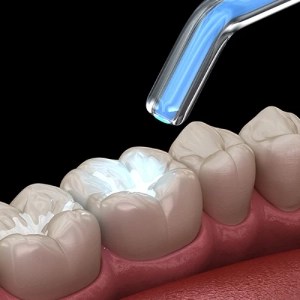
Dental sealants are thin protective coatings placed on the chewing surfaces of molars and premolars. They cover deep grooves where food, plaque, and bacteria can collect, helping block cavity-causing acid from reaching the enamel.
Dental sealants can help because they:
- Protect the grooved chewing surfaces of molars
- Make back teeth easier to keep clean
- Lower the risk of cavities in hard-to-brush areas
- Require no drilling, numbing, or anesthesia
- Can protect teeth for several years
The American Dental Association notes that sealants can reduce the risk of decay in molars by nearly 80%. The CDC also reports that children ages 6 to 11 without sealants have almost three times as many first-molar cavities as those with sealants.
Does My Child Need Dental Sealants?
Many children benefit from dental sealants once their permanent molars erupt. Your child may be a good candidate for sealants if:
- Their first permanent molars have erupted, usually around ages 6 to 7
- Their second permanent molars have erupted, usually around ages 11 to 14
- Their molars have deep grooves or pits
- They have had cavities before
- They are at a higher risk of tooth decay
- Brushing alone is not keeping the back teeth clean
Sealants work best when placed soon after molars come through the gums. Early placement protects the tooth during the years when cavities are most likely to form.
Which Cavity Risk Factors Make Dental Sealants More Important?
Dental sealants may be recommended more strongly if your child has a higher risk of tooth decay. This may include children who:
- Eat sugary snacks often
- Drink soda, sports drinks, or juice frequently
- Have difficulty brushing the back teeth
- Wear braces or orthodontic appliances
- Have dry mouth
- Have a family history of cavities
Sealants are commonly recommended, but they are not necessary for every child. A pediatric dentist can check your child’s teeth, review their cavity risk, and recommend sealants only where they are needed.
How Are Dental Sealants Applied?
Dental sealant treatment is fast, painless, and non-invasive. It can usually be completed during a regular preventive dental visit.
The process usually includes these steps:
- The tooth is cleaned and dried.
- A mild conditioning gel is placed on the tooth surface.
- The gel is rinsed off, and the tooth is dried again.
- The liquid sealant is painted into the grooves.
- A special curing light hardens the sealant.
Your child can eat and drink after the appointment. Most sealants are clear or tooth-colored, so they are not noticeable when your child talks or smiles.
How Long Do Dental Sealants Last?
Dental sealants can protect teeth for several years. They may wear down with daily chewing, so your child’s dentist will check them during routine visits and repair or reapply them if needed.
To help sealants last longer:
- Schedule dental checkups every six months
- Make sure your child brushes twice a day
- Help your child floss daily
- Limit frequent sugary snacks and drinks
- Follow your dentist’s preventive care recommendations
Sealants protect the chewing surfaces of teeth. They do not replace brushing, flossing, fluoride, or regular dental visits.
Are Dental Sealants Safe for Kids?
Yes. Dental sealants are considered safe and effective for children and teens. Dentists have used them for decades to help reduce cavity risk.
Sealants are supported by trusted dental and public health organizations, including:
- The American Dental Association
- The American Academy of Pediatric Dentistry
- The Centers for Disease Control and Prevention
Some parents ask about BPA exposure. The ADA explains that BPA exposure from dental sealants is extremely low and much less than exposure from common sources such as food, drinks, and air. If you have concerns, your child’s dentist can discuss the sealant material used and whether BPA-free options are available.
Dental Sealants vs. Fillings: What Is the Difference?
Dental sealants and fillings are different treatments. One helps prevent cavities, while the other repairs a tooth after decay has already formed.
| Treatment | Purpose | When It Is Used |
| Dental sealants | Help prevent cavities | Before decay damages the tooth |
| Dental fillings | Repair cavities | After decay has created a cavity |
Sealants are usually quicker, more comfortable, and less costly than fillings. They help protect healthy tooth structure before a cavity forms.
Are Dental Sealants Worth It for Children?
Yes, dental sealants are often worth it because they help prevent cavities before treatment is needed. They are quick to place, painless for children, and less invasive than repairing decay later with a filling.
When parents ask, ” What are dental sealants?, it helps to think of them as an added layer of protection for cavity-prone molars. They do not replace brushing, flossing, fluoride, or regular dental visits, but they can make preventive care more effective during the years when children are most likely to develop cavities.
When Should You Ask a Pediatric Dentist About Sealants?
You should ask about dental sealants when your child’s first permanent molars begin to come in, usually around age 6. You should ask again when the second permanent molars erupt, usually around ages 11 to 14.
You should also schedule a visit if your child has:
- Tooth sensitivity
- Visible grooves or dark spots on molars
- A history of cavities
- Difficulty cleaning the back teeth
- Missed routine dental checkups
At Little Diamonds Pediatric Dentistry, your child’s dentist can examine the molars, check for early signs of decay, and recommend the right preventive care based on your child’s needs.
Conclusion
Dental sealants provide children with a simple, proven layer of protection against cavities in the back teeth. The treatment takes only a few minutes, causes no pain, and can protect molars for years.
Sealants work best when combined with regular dental checkups, daily brushing and flossing, fluoride use, and a low-sugar diet. If you are unsure whether your child needs sealants, a pediatric dentist can examine their teeth and recommend the right preventive care.
Ready to Protect Your Child’s Smile?
Cavities can form soon after permanent molars erupt. Little Diamonds Pediatric Dentistry can check your child’s teeth and help you decide whether dental sealants are the right preventive step.
Call (571) 281-8714 to book a consultation, or visit Little Diamonds Pediatric Dentistry at 3803 Fairfax Dr #100, Arlington, VA 22203.
FAQs
Are dental sealants necessary for every child?
No. Dental sealants are not necessary for every child, but many children benefit from them. A pediatric dentist may recommend sealants if your child has deep molar grooves, newly erupted permanent molars, or a higher risk of cavities.
At what age should children get dental sealants?
Children often get dental sealants when their first permanent molars erupt around ages 6 to 7. A second round may be recommended when the second permanent molars erupt around ages 11 to 14.
Do dental sealants hurt?
No. Dental sealants do not hurt. The treatment does not require drilling, shots, or anesthesia. The dentist cleans the tooth, paints the sealant onto the grooves, and hardens it with a curing light.