Cracked Tooth in Children
As a parent, a tooth fracture in kids can be concerning. Whether it’s from an accidental fall, biting something hard, or untreated decay, a cracked tooth can lead to pain and discomfort. Recognizing the symptoms early and understanding the causes of a cracked tooth in children can help you take the right steps to protect their dental health.
Keep reading to explore the signs to watch for, common causes of cracked teeth in kids, and the most effective pediatric dental care for cracked teeth to keep your child’s smile healthy.
Symptoms of a Cracked Tooth in Children
A cracked tooth may not always be immediately obvious, but several signs can point to the issue. If you notice any of these symptoms in your child, it’s essential to schedule an appointment with a pediatric dentist to avoid further complications:
- Pain when chewing or biting: One of the most common signs of a cracked tooth is sharp pain when your child bites down or chews. The pain may come and go, especially when biting into something hard or sticky. The discomfort is often sharp and localized to the area of the crack.
- Sensitivity to hot or cold: A cracked tooth can cause sensitivity to temperature. Your child may complain of discomfort or pain when drinking cold beverages or eating hot foods. This happens because the crack exposes the inner layers of the tooth, which are more sensitive. If your child is also experiencing sensitivity, it could be linked to a cracked tooth. Check out our article on Sensitive Teeth in Children to understand why.
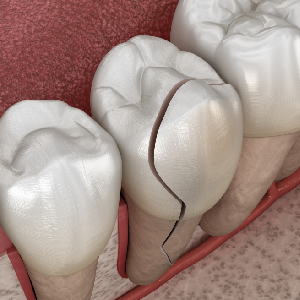
- Visible cracks or chips: You may notice a crack in your child’s tooth, particularly in cases of severe damage. Cracks can appear as small lines or large fractures, depending on the cause. Some cracks may not be visible unless your dentist performs a thorough examination.
- Swelling around the tooth: If the crack causes an infection, the gums around the affected tooth may become swollen or tender. This could indicate that the crack has extended into the pulp of the tooth, leading to infection or abscess formation.
- Persistent or worsening pain: While mild pain may occur with a cracked tooth, the pain should not worsen over time. If the pain gets more intense, or if it becomes continuous, this may indicate that the crack has deepened and affected the nerve inside the tooth.
Early detection of these symptoms helps prevent the need for more invasive treatments, such as tooth extraction.
Causes of a Cracked Tooth in Children
Cracks in a child’s teeth can happen for various reasons, many of which are preventable with the right precautions. Some of the most common causes include:
- Trauma or injury: Children are more prone to accidents, whether during sports, play, or falls. A sudden blow to the mouth or face can result in a cracked tooth. This is especially common in children who participate in contact sports or are physically active outdoors.
- Biting on hard foods or objects: Biting into hard foods like ice, candy, or nuts, or chewing on hard objects like pens or pencils, can put excessive pressure on the teeth and cause them to crack. This is more likely to occur in children with weakened enamel or existing cavities.
- Teeth grinding (bruxism): Some children grind or clench their teeth while sleeping, often due to stress, anxiety, or developmental stages. Over time, this can cause microfractures in the enamel and lead to larger cracks. Learn more about the Common Causes of Teeth Grinding in Kids and how it affects your child’s smile.
- Tooth decay: If a child has untreated cavities, the weakened structure of the tooth can become more susceptible to cracking. Decayed teeth are not as strong and can crack under normal pressure, especially when biting or chewing. Cavities are a common cause of tooth cracks in children. Find out how to manage cavities in our article on What to Do If Your Child Has a Cavity
- Improper alignment or bite issues: If a child’s teeth don’t align properly (due to overcrowding or bite misalignment), this can lead to uneven pressure during chewing. Misalignment can cause certain teeth to absorb more force, making them more vulnerable to cracking.
- Excessive pressure on the teeth: Constant pressure from thumb-sucking, using teeth as tools, or biting non-food items can also lead to cracks. Children who exert excessive pressure on their teeth may inadvertently damage the enamel.
Identifying the cause of the crack can help prevent future incidents and improve the child’s dental health.
Treatment Options for a Cracked Tooth
The appropriate treatment for a cracked tooth depends on the severity of the crack and whether the tooth’s nerve is affected. The sooner treatment is initiated, the better the chance of preserving the tooth and preventing further complications.
Dental bonding
For small cracks or chips, dental bonding is a common solution. The dentist applies a tooth-colored resin to fill in the crack and restore the tooth’s appearance. This treatment is fast, affordable, and effective for minor cracks.
Dental crowns
For moderate to severe cracks, a dental crown is often the best solution. The dentist places a cap over the tooth to restore its strength and appearance. Crowns are particularly useful when the crack affects the chewing surface or if the tooth has become weakened due to decay.
Root canal treatment
If the crack has extended into the pulp of the tooth (the soft tissue inside), a root canal may be necessary. This procedure removes the damaged nerve and pulp, cleans the inside of the tooth, and seals it to prevent infection. Afterward, the tooth will likely need a crown for further protection.
Tooth extraction
In extreme cases where the crack is too deep or the tooth is too damaged to repair, extraction may be necessary. After the tooth is removed, your pediatric dentist will discuss options for replacing it, such as dental implants, bridges, or space maintainers, especially if the tooth is a primary (baby) tooth.
Pain management
While waiting for a permanent solution, pain relief is often necessary. Your pediatric dentist may recommend over-the-counter pain relievers, warm saltwater rinses, or cold compresses to reduce discomfort and inflammation.
Each treatment plan will be tailored to the severity of the crack, your child’s age, and the tooth’s position in the mouth. The goal is always to preserve the tooth and minimize pain or discomfort.
Preventing Cracked Teeth in Children
Preventing cracked teeth starts with good oral habits and protective measures. Here are some tips to help protect your child’s teeth:
- Encourage good oral hygiene: Brushing and flossing regularly helps keep teeth strong and reduces the risk of tooth decay, which can lead to cracks.
- Use a mouthguard: If your child plays sports, encourage them to wear a mouthguard. It’s one of the best ways to protect their teeth from trauma and injury.
- Avoid hard foods: Teach your child to avoid chewing on hard objects like ice, candy, or pen caps. These can put extra pressure on their teeth and cause them to crack.
- Manage teeth grinding: If your child grinds their teeth at night, consult with their dentist about using a night guard to protect their teeth while they sleep.
- Regular dental check-ups: Taking your child to the dentist every six months ensures that any signs of damage or tooth decay are caught early, before they become serious problems. Tooth decay weakens teeth, making them more prone to cracks and fractures. Read our article on the Signs of Tooth Decay in Children for more information.
By following these simple steps, you can help protect your child’s smile and reduce the risk of cracked teeth.
Conclusion
A cracked tooth in children is a common yet serious issue that requires immediate attention. By understanding the symptoms, causes, and treatment options, you can act quickly to protect your child’s dental health. Early intervention can prevent further damage and ensure that your child’s smile stays healthy and beautiful. Make sure to schedule regular dental visits to catch any problems early and keep their teeth strong for years to come.
Book a Consultation for Cracked Tooth Treatment at Little Diamonds Pediatric Dentistry
If your child has a cracked tooth or is experiencing discomfort, book a consultation at Little Diamonds Pediatric Dentistry today. Call 571) 281-8714 or visit 3803 Fairfax Dr #100, Arlington, VA. Our friendly, experienced team is here to provide expert care and help restore your child’s smile with gentle and effective treatment.
FAQs
Can a cracked tooth in a child lead to infection?
Yes, if the crack extends into the tooth’s pulp (the soft tissue inside), it can expose the inner layers to bacteria, leading to an infection. Early treatment, such as a root canal, can help prevent further complications.
How long can a cracked tooth go untreated?
A cracked tooth should not go untreated for long. While minor cracks may not cause immediate problems, they can worsen over time, leading to more severe tooth pain, infection, or tooth loss. It’s essential to visit a dentist as soon as you notice symptoms. If your child’s tooth pain worsens, it might be due to a crack. Learn more about potential causes of tooth pain in our article on Reasons Why Your Child’s Teeth May Hurt.
Will a cracked tooth affect my child’s permanent teeth?
A cracked tooth, especially in a primary (baby) tooth, can affect the development of the permanent tooth underneath. In some cases, the crack may cause damage to the permanent tooth, so it’s important to treat it immediately to avoid complications.
Is a cracked tooth more common in baby teeth or permanent teeth?
Cracked teeth are more common in baby teeth due to the child’s active lifestyle, falls, and accidents. However, they can occur in permanent teeth as well, especially in children who grind their teeth or bite hard objects.
How do pediatric dentists treat cracked teeth in young children?
Pediatric dentists are trained to work with children’s growing teeth. They will assess the crack and recommend the appropriate treatment, such as dental bonding for small cracks or crowns for more severe damage. They will also make the treatment as comfortable as possible for your child.