The Pros and Cons of Invisalign for Kids: A Complete Overview
A beautiful smile is important to a child’s development, but misaligned teeth can affect appearance and oral health. Traditional braces have long been the go-to solution for children with crooked teeth, but with advancements in orthodontics, there’s now a modern alternative: Invisalign for kids. Invisalign has revolutionized how we approach orthodontic care, offering a more discreet, comfortable, and flexible solution. However, like any treatment, it comes with its benefits and drawbacks.
Let’s explore the pros and cons of Invisalign for kids, how it works, how long it takes to see results, and whether it’s the right choice for your child.
What is Invisalign for Kids?
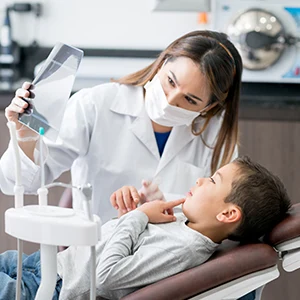
Invisalign for kids is a specialized version of the clear aligner system designed for younger patients. It uses a series of custom-made, removable aligners to gradually straighten teeth. Unlike traditional metal braces, Invisalign aligners are clear, making them virtually invisible, which is an advantage for children who may feel self-conscious about their appearance. The aligners are made from flexible, durable plastic and are designed to gently move teeth into place without wires or brackets.
Invisalign for Kids addresses the unique dental needs of growing children. One key difference from adult versions is the addition of “compliance indicators”—small blue dots that fade as the aligners are worn, helping parents and orthodontists monitor usage.
Invisalign for kids has become increasingly popular among teenagers due to its discreet appearance and comfort. According to Align Technology, the maker of Invisalign, sales of its clear aligners in the adolescent sector increased from about 100,000 in 2013 to more than 235,000 in 2017, indicating a growing preference for this treatment option among younger patients.
The Pros and Cons of Invisalign for Kids
Invisalign is a popular choice for straightening kids’ teeth, offering several benefits, but it’s not without its downsides. Let’s examine the pros and cons to help you determine if it’s the right fit for your child.
The Pros of Invisalign for Kids
Aesthetic Appeal
One of Invisalign’s biggest advantages is its discreet nature. The aligners are clear, making them less noticeable than traditional metal braces. For kids who are self-conscious about their appearance, this can significantly improve their confidence.
Comfortable Fit
Invisalign aligners are made from smooth plastic, eliminating the discomfort associated with metal brackets and wires. They also do not have sharp edges or poking wires, making them a more comfortable option for children.
Removable for Easy Cleaning and Eating
Unlike traditional braces, which can make cleaning teeth or enjoying certain foods difficult, Invisalign aligners are removable. This makes it easier for kids to maintain good oral hygiene, as they can brush and floss their teeth normally. They can also remove the aligners when eating, allowing them to enjoy a wider variety of foods without restrictions.
Fewer Orthodontic Visits
Traditional braces often require frequent adjustments at the orthodontist’s office. With Invisalign for kids, check-ups are generally less frequent, as the aligners are replaced with new sets every few weeks. This can make the treatment process more convenient for both children and parents.
Improved Oral Health
Since Invisalign aligners can be removed for eating and cleaning, they allow kids to maintain better oral hygiene than traditional braces, which can trap food and plaque around the brackets and wires. During treatment, Invisalign can help reduce the risk of cavities and gum disease.
The Cons of Invisalign for Kids
Discipline and Responsibility Required
For optimal results, Invisalign aligners must be worn for 20 to 22 hours a day. Since the aligners are removable, it’s easy for kids to forget or skip wearing them. It requires discipline and responsibility, which may be challenging for younger children. Parents must monitor usage closely to ensure the aligners are worn as directed.
Limited Effectiveness for Severe Cases
While Invisalign is effective for mild to moderate cases of misalignment, it may not be suitable for children with more severe orthodontic issues. Traditional braces may provide more control and precision to correct the alignment in such cases.
Potential for Lost or Damaged Aligners
Since Invisalign aligners are removable, they are more likely to be lost or damaged. Kids may forget to put them back in or misplace them, leading to additional costs for replacements.
Requires Regular Tracking of Progress
Parents and orthodontists need to monitor the child’s progress closely. The aligners are changed regularly, and it is important to ensure that the child is progressing as expected. If the aligners aren’t worn properly, it may slow down the treatment process.
Cost Considerations
While Invisalign for kids can be more convenient and comfortable, it can also be more expensive than traditional braces. The cost can vary depending on the complexity of the case and the number of aligners required. However, many orthodontists offer payment plans or financing options to make it more affordable.
How Long Does Invisalign for Kids Take to Work?
The duration of Invisalign treatment for kids typically varies between 6 to 18 months, depending on the case’s complexity. Mild to moderate alignment issues may take less time to correct, while more complex cases may require a longer treatment period.
Invisalign for kids works gradually by shifting teeth into proper positions with each new set of aligners. The treatment process involves changing aligners every 1 to 2 weeks. The key to success with Invisalign is the consistent use of the aligners, so kids need to follow their orthodontist’s recommendations for wearing them.
Is Invisalign Right for Your Child?
Invisalign for kids offers a range of benefits, including better aesthetics, comfort, and flexibility than traditional braces. However, it’s important to consider your child’s age, the severity of their orthodontic issues, and their ability to follow the treatment plan. For many children, Invisalign can be an excellent alternative to metal braces, offering a more comfortable and discreet solution to teeth alignment.
Before deciding, it’s always best to consult with an experienced pediatric dentist to determine if Invisalign is the right treatment for your child.
Start Your Child’s Journey to a Confident Smile Today!
At Little Diamonds Pediatric Dentistry, we’re committed to giving your child the care and attention they deserve for a healthy, beautiful smile. Book your consultation today by calling us at (571) 281-8714 or visiting our office at Little Diamonds Pediatric Dentistry in Arlington, VA. Let’s work together to create the smile your child has always wanted!
FAQs
Why is Invisalign not recommended for children?
Invisalign may not be recommended for younger children because their teeth and jaws are still developing. Children may also struggle with the discipline needed to wear the aligners for 20-22 hours daily. Traditional braces can offer more precise control in such cases.
Which is better for kids, braces or Invisalign?
The best option depends on the child’s needs. Traditional braces are better for complex dental issues and younger children who may struggle to manage removable aligners. Invisalign is a good choice for older children or teenagers with mild to moderate alignment issues and can maintain the aligners.
What is the best alternative to Invisalign?
Traditional metal braces are the most common alternative to Invisalign. They are highly effective for correcting dental issues and are generally more affordable. Ceramic braces offer a more discreet appearance with benefits similar to metal braces.
What is the failure rate of Invisalign?
Invisalign has a low failure rate, but treatment success depends on consistent wear and proper follow-up. Patients who do not wear their aligners as prescribed or fail to change them regularly may experience slower results or treatment failure. Adhering to the orthodontist’s guidelines is crucial for success.
Why do I feel sick after getting Invisalign?
Feeling sick after getting Invisalign is often due to the pressure the aligners apply to shift teeth into place. It can lead to discomfort, mild headaches, or nausea. These symptoms are usually temporary and subside after a few days as your mouth adjusts to the aligners.