How Long Do Sealants Last?
Dental sealants are an effective preventive treatment that protects teeth from cavities by forming a barrier over the deep grooves in molars, keeping out food particles and bacteria. This quick, non-invasive procedure is commonly used for both children and adults to maintain long-term oral health. But how long do sealants last? The lifespan of sealants varies based on factors such as the type of material used, the quality of the application, and your oral care habits.
This guide explores the key factors that affect sealant durability and offers tips on how to make them last longer, ensuring lasting protection for your teeth.
What Are Dental Sealants?
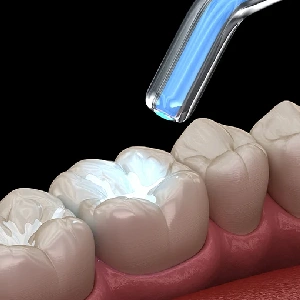
Dental sealants are thin, protective coatings applied to the chewing surfaces of back teeth, where cavities are most likely to form. These sealants fill in the grooves and pits, creating a barrier that keeps food particles, plaque, and bacteria from causing decay.
While sealants are commonly applied to children’s permanent molars, adults can also benefit from them. The application is quick, painless, and non-invasive, making it an ideal solution for anyone looking to safeguard their teeth from future cavities.
How Long Do Sealants Last?
Dental sealants last between 5 to 10 years, but their longevity varies depending on several factors, including the type of sealant, oral hygiene habits, diet, and the application technique.
1. Quality of Application
The most critical factor in the longevity of sealants is how well they are applied. When properly applied by a dentist using the right materials and technique, sealants can last up to 10 years. Studies show that 82% of sealants remain fully intact after 5 years, and 57% still show full retention after 10 years. A proper application ensures a strong bond between the sealant and the tooth surface, maximizing durability.
2. Oral Hygiene and Diet
Sealants perform best when paired with good oral hygiene. Regular brushing and flossing prevent plaque buildup that could weaken or erode the sealant. Avoiding sugary, sticky, or hard foods helps prevent wear and tear. People who maintain good oral hygiene can expect their sealants to last at least 5 years before noticeable wear occurs.
3. Wear and Tear
Since sealants are placed on the chewing surfaces of molars, which face substantial pressure from biting and chewing, some wear is inevitable. However, with proper care, sealants can last for several years. Research shows that sealants can still protect teeth even after 15 years. At this point, 28% of sealants are fully intact, and 35% show partial retention.
4. Age of the Patient
Sealants tend to wear down faster in children, as their teeth are still developing. Younger patients may need their sealants replaced more frequently than adults, especially if they chew hard foods or have less-than-ideal oral hygiene. Regular dental checkups will help determine when it’s time for a replacement.
5. Type of Sealant
Not all sealants offer the same level of durability. Resin-based sealants are the most durable, lasting up to 10 years with proper care. Glass ionomer sealants, while still effective, usually last 3 to 5 years. Resin-based sealants provide a stronger bond to tooth enamel, making them the preferred choice for long-term protection.
Signs That Your Sealants Need Replacing
While dental sealants are designed to last for several years, they can eventually wear out or become damaged. It’s important to look for the following signs, which indicate it’s time to replace your sealants:
1. Chipping or Cracking
If the sealant is cracked or chipped, it no longer offers effective protection. Damaged sealants cannot prevent cavities or decay, so timely replacement is essential.
2. Discoloration
Sealants that begin to discolor, such as turning yellow or brown, may be weakening. Discoloration can indicate that the sealant has lost its protective properties, leaving your teeth vulnerable.
3. Food Getting Stuck
Notice food particles getting stuck in the grooves of your teeth despite having sealants? This could be a sign that the sealant has worn away and is no longer creating a protective barrier against cavities.
4. Rough or Uneven Surface
Sealants should provide a smooth surface over the chewing areas of your teeth. If you feel rough spots or unevenness, this could signal that the sealant is wearing down and may need replacing.
5. Visible Gaps or Spaces
If there are gaps between the sealant and the tooth, plaque and bacteria can get trapped, leading to decay. Gaps in the sealant indicate it’s no longer functioning as intended and should be replaced.
6. Frequent Cavities in Sealed Areas
If you notice cavities forming in areas that were previously sealed, it’s a clear sign that the sealant has failed to provide sufficient protection, and you should visit your dentist for replacement.
Benefits of Dental Sealants
Dental sealants provide several significant benefits, especially for children:
- Prevents Cavities: Sealants protect against cavities by blocking bacteria and food particles, reducing decay risk by up to 80% in the first two years.
- Cost-Effective: Sealants are an affordable preventive treatment, costing much less than cavity fillings, making them a smart long-term investment.
- Quick and Painless: The application is fast, pain-free, and doesn’t require drilling or anesthesia, making it ideal for children and adults.
- Protects Against Plaque: Sealants prevent plaque and bacteria buildup, keeping teeth healthier and reducing future dental issues.
- Long-Term Protection: Sealants offer lasting protection, especially for children, helping maintain strong, healthy teeth and reducing the need for more dental work.
How to Maintain Your Sealants
To ensure the longevity and effectiveness of your dental sealants, it’s essential to follow proper maintenance and oral care practices.
- Brush and Floss Daily: Brush at least twice a day and floss once to remove plaque and prevent decay. Proper oral hygiene ensures your sealants stay effective for a longer period.
- Avoid Sticky and Hard Foods: Sticky sweets and hard foods can damage sealants. Avoiding these foods reduces wear and tear, helping your sealants last longer.
- Schedule Regular Dental Checkups: Visit your dentist regularly to monitor the condition of your sealants. Routine checkups allow your dentist to spot any issues and keep your sealants working effectively.
- Watch for Signs of Damage: If you notice chipping, discoloration, or food trapping in the grooves, it may indicate that your sealants are wearing down and need attention.
- Use a Soft-Bristled Toothbrush: A soft-bristled toothbrush minimizes wear on your sealants, protecting them from unnecessary damage and helping preserve their effectiveness.
How to Get Dental Sealants for Your Child
Getting dental sealants for your child is a simple and effective procedure that helps protect their teeth from cavities. Here’s how the process works:
- Teeth Cleaning: The dentist will thoroughly clean your child’s teeth to remove plaque and bacteria, ensuring a smooth surface for the sealant.
- Surface Preparation: A special gel is applied to prepare the tooth surface, allowing the sealant to bond securely.
- Sealant Application: The dentist applies the sealant and uses a curing light to harden it, forming a durable protective layer.
Dental sealants are an excellent preventive measure, reducing the risk of cavities and the need for more invasive treatments like fillings.
Is Sealing a Tooth Better Than Filling a Cavity?
Sealing a tooth is often a better preventive measure than filling a cavity, as it helps protect healthy teeth from future decay. Sealants are applied to the chewing surfaces of molars, where cavities are most likely to form, creating a barrier that prevents bacteria and food particles from causing harm.
In contrast, filling a cavity is a restorative treatment used when a tooth has already been damaged by decay. While fillings are essential for repairing cavities, dental sealants are an effective, non-invasive way to reduce the likelihood of cavities forming in the first place.
For optimal oral health, sealants are highly recommended as a preventive measure, especially for children and individuals with deep tooth grooves.
Conclusion
Dental sealants offer an excellent, long-lasting solution to protect teeth from cavities and decay. While they last 5 to 10 years, their lifespan depends on factors such as the application quality, oral hygiene, diet, and the type of sealant used. With proper care, sealants can effectively safeguard your teeth, reducing the risk of cavities and preventing costly dental procedures in the future. Regular checkups ensure they remain intact, providing ongoing protection for your child’s dental health.
Get Dental Sealants Today for Lasting Protection
Protect your child’s teeth from cavities with dental sealants at Little Diamonds Pediatric Dentistry. Call (571) 281-8714 to schedule a consultation or visit us at 3803 Fairfax Dr #100, Arlington, VA 22203. Our team is here to ensure their smile stays healthy and cavity-free for years to come!
FAQs
How Long Do Dental Sealants Last?
Dental sealants typically last between 5 to 10 years, depending on factors like the material used, the application quality, and oral hygiene. Regular dental checkups will help ensure they remain effective.
Does Tooth Sealant Hurt When Applied?
No, the application of dental sealants is a painless, non-invasive procedure. Your dentist will clean the teeth, apply the sealant, and use a curing light to harden it—all without any discomfort or the need for anesthesia.
How Early Should I Have Sealants Put on My Child’s Teeth?
It’s best to apply sealants as soon as your child’s permanent molars come in, usually around 6-7 years old. Early application provides protection against cavities during the cavity-prone years.
What Foods Should Be Avoided with Sealants?
Avoid sticky or hard foods like caramel, chewing gum, or hard candy, as they can damage or dislodge sealants. Opt for softer foods to prolong the effectiveness of the sealant.
Can Adults Benefit from Dental Sealants?
Yes, adults can also benefit from sealants, especially those with deep grooves in their teeth. However, they are most commonly applied to children to protect their teeth as they grow and develop.