How Do I Know If My Kid Has TMJ?
As a parent, it’s normal to feel concerned when your child experiences discomfort, especially when it affects their ability to eat, speak, or sleep well. One condition that often goes unnoticed in children is TMJ disorder. Although many people associate TMJ issues with adults, children, and teens can also be affected.
So, how do you know if your child has symptoms of TMJ? Recognizing the signs early can help you seek timely care and prevent the condition from worsening. Let’s explore the common symptoms and causes and how you can help as a parent.
What Is TMJ in Children?
TMJ stands for temporomandibular joint, which connects the jawbone to the skull. This joint allows the jaw to move smoothly up and down and side to side. When the joint becomes inflamed, misaligned, or does not function properly, it leads to a condition known as TMJ disorder or TMD. Although more common in adults, children can also develop TMJ disorder, particularly during growth spurts, after injuries, or due to chronic habits such as nail biting or teeth grinding.
Common Signs of TMJ in Children
If you’re wondering, “How do I know if my kid has TMJ?” the following signs can help you identify the condition:
- Jaw pain or stiffness: Your child may complain of discomfort while chewing, yawning, or speaking. This pain often affects one or both sides of the jaw and may worsen with movement.
- Clicking or popping sounds: You may hear clicking, popping, or grinding noises when your child opens or closes their mouth. These sounds may indicate misalignment or internal joint issues.
- Frequent headaches: TMJ-related strain can cause recurring headaches, especially in the temples or around the forehead. These headaches are sometimes mistaken for migraines.
- Facial pain: Your child may report pain in the cheeks, jawline, or near the ears. This discomfort often increases with jaw use.
- Trouble chewing or biting: Children may avoid certain foods or complain that chewing hurts. Favoring one side of the mouth can also signal discomfort.
- Locking jaw: In some cases, the jaw may temporarily lock in either the open or closed position. This can be frightening for a child and may point to joint dysfunction.
- Ear pain or ringing (tinnitus): TMJ issues can affect nearby structures, causing earaches, fullness in the ears, or ringing, even in the absence of an ear infection.
What Causes TMJ in Kids?
Several factors can trigger TMJ disorders in children. Identifying these causes helps guide proper treatment:
- Teeth Grinding (Bruxism): Children who grind or clench their teeth, particularly at night, place constant pressure on the jaw joints, increasing the risk of TMJ issues.
- Jaw or Facial Injury: Trauma from falls, sports, or accidents can misalign the jaw or damage the joint.
- Bite Misalignment: When the teeth don’t align properly, the jaw must work harder to chew, placing strain on the joint.
- Stress or Anxiety: Emotional stress can lead to jaw clenching or muscle tension, worsening TMJ symptoms.
- Arthritis or Joint Conditions: Although rare, inflammatory conditions such as juvenile arthritis can affect the temporomandibular joint.
How to Diagnose TMJ in Children
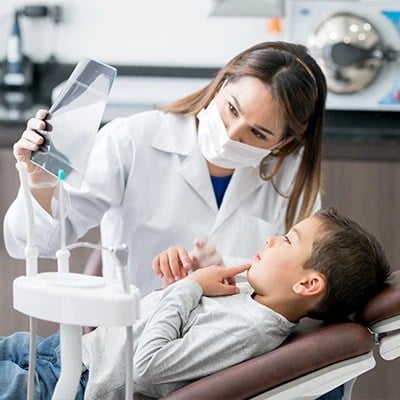
Pediatric dentists use a comprehensive approach to diagnose TMJ in children:
- Conduct a Physical Exam: They examine jaw movement, listen for joint noises, and check for tenderness or muscle stiffness.
- Review Medical History: They evaluate symptoms, habits (such as grinding), and any history of injury or stress.
- Order Imaging Tests (if needed): Dentists may use X-rays or MRI scans to assess the joint structure and rule out other problems.
- Evaluate Jaw Function: Dentists observe how your child opens, closes, and moves their jaw to detect dysfunction.
If your child displays signs of TMJ, schedule an evaluation promptly. Early diagnosis helps ensure less invasive and more effective treatment.
Treatment Options for TMJ in Children
Depending on the cause and severity of the disorder, dentists may recommend:
- Behavioral Therapy: Dentists work with children to stop harmful habits such as nail biting or jaw clenching. Replacing these habits can ease the joint strain.
- Custom Nightguards: Nightguards are designed to prevent teeth grinding during sleep. These devices cushion the jaw and protect both teeth and joints.
- Jaw Exercises: Pediatric dentists may teach simple exercises to improve jaw flexibility, relieve muscle tension, and support healing.
- Orthodontic Care: Braces or clear aligners help correct bite misalignment, reducing uneven pressure on the jaw joint.
- Medication: Dentists may prescribe anti-inflammatory medication short-term to relieve pain and reduce inflammation while other treatments take effect.
Most children respond well to early, conservative treatments and avoid the need for surgical intervention.
When to See a Pediatric Dentist
If your child frequently complains of jaw pain, hears clicking or popping sounds while moving their mouth, or struggles to chew or speak comfortably, consult a pediatric dentist. These symptoms may point to TMJ disorder. Early intervention allows the dentist to address the problem, begin appropriate care, and support healthy jaw development. Timely treatment prevents symptoms from worsening and protects long-term oral function.
Early Detection Makes All the Difference
Recognizing the signs of TMJ in children can significantly improve their comfort and overall oral health. Don’t wait to seek care if you notice symptoms like jaw pain, clicking sounds, or difficulty chewing. A pediatric dentist can diagnose the issue early and create a treatment plan tailored to your child’s needs. With the right approach, most children experience relief and regain full jaw function.
Get Expert Care for Your Child’s Jaw Health at Little Diamonds
If you think your child may have symptoms of TMJ, schedule a consultation at Little Diamonds Pediatric Dentistry. Our team specializes in diagnosing and managing jaw-related issues in children with gentle, personalized care.
Call us today at (571) 281-8714 to schedule your appointment or visit our office at Little Diamonds Pediatric Dentistry in Arlington, VA. We are here to support your child’s comfort, health, and growing smile.
FAQs
How do I know if my child has TMJ?
Look for signs such as jaw pain, clicking or popping noises, difficulty chewing, frequent headaches, or facial discomfort. If these symptoms occur regularly, consult a pediatric dentist for an accurate diagnosis and treatment plan.
What is the 3 finger test for TMJ?
The 3-finger test evaluates jaw mobility. Ask your child to place three fingers vertically between their upper and lower front teeth. If your child cannot fit all three fingers without pain or tightness, this may indicate restricted jaw movement or TMJ dysfunction.
Can children outgrow TMJ disorders?
Some children may outgrow mild TMJ symptoms as their jaw develops and harmful habits are corrected. However, untreated TMJ can worsen over time. Early diagnosis and conservative treatments like nightguards or habit correction can prevent long-term issues.
Is TMJ in children serious?
TMJ can impact a child’s ability to chew, speak, and sleep comfortably. If left untreated, it may affect jaw growth and lead to chronic pain. Prompt care from a pediatric dentist helps manage symptoms and supports healthy development.
At what age can children develop TMJ?
TMJ can occur at any age, but it is more common during rapid growth, such as adolescence. Early signs can appear in younger children, especially those with teeth-grinding habits, jaw injuries, or bite misalignment.