When to Visit an Emergency Pediatric Dentist: Signs You Shouldn’t Ignore
As parents, ensuring our children’s health and well-being is always a top priority. Dental health is no exception, and emergencies can happen when least expected. Knowing when to visit an emergency pediatric dentist, especially with kids, can be challenging. Whether it’s a sudden injury, persistent pain, or a concern that just can’t wait, understanding the signs of pediatric dental trauma and urgent care needs can make all the difference.
Let’s explore key indicators that suggest your child might need emergency pediatric dental care, helping you respond quickly and appropriately.
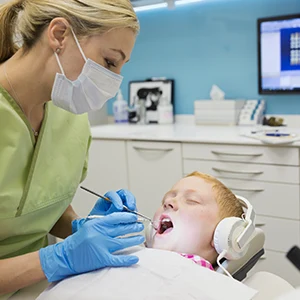
When to Seek Emergency Pediatric Dental Care: Key Signs to Watch For
Children’s teeth are more vulnerable to accidents, especially during their active years. They might trip and fall, bump their mouth, or even engage in rough play, leading to injuries. But when is an incident serious enough to warrant a visit to an emergency pediatric dentist?
Here are 6 signs you should visit an emergency pediatric dentist:
Severe Tooth Pain
If your child is experiencing persistent or intense tooth pain, it’s a strong indicator that something more serious is happening. Cavities, infections, or dental trauma can cause tooth pain. If over-the-counter pain relievers aren’t providing relief and the pain is overwhelming, it’s time to visit an emergency pediatric dentist.
Chipped, Cracked, or Broken Teeth
Accidents are inevitable, especially with active kids. If your child has chipped, cracked, or broken a tooth, it’s essential to see a pediatric dentist as soon as possible. Even minor damage can lead to infections or more significant problems if left untreated. You must visit an emergency pediatric dentist as the quicker the dentist addresses the issue, the higher the chances of saving the tooth and preventing complications.
Knocked-Out Tooth
A knocked-out tooth, whether baby or permanent, is one of the most alarming dental emergencies. The key here is acting quickly. If a permanent tooth is knocked out, rinse it gently (without scrubbing) and place it in milk or saliva, then contact an emergency pediatric dentist immediately. If it’s a baby tooth, even though it won’t grow back, it still requires evaluation to prevent damage to the permanent tooth underneath.
Swelling and Bleeding Gums
Swollen gums, especially when accompanied by persistent bleeding, can indicate a serious dental issue. It could result from trauma, an infection, or even an abscess. If your child’s gums are swollen or bleeding without an obvious cause, visit an emergency pediatric dentist as urgent dental care is necessary to prevent further complications.
Abscess or Pimples in the Mouth
Don’t wait to seek dental care if you notice a pimple or abscess on your child’s gums. These are signs of an infection that can spread quickly. Immediate treatment is needed to avoid serious health issues and ensure your child’s oral health.
Loose Teeth in Younger Children
While loose teeth are common for children around the age of six, if a younger child who hasn’t begun teething yet experiences loose teeth, it could indicate trauma or an infection. It’s crucial to have a pediatric dentist evaluate the situation to determine if the issue is related to something more serious.
What to Do Before You Get to the Dentist
If your child shows any of the following signs, it’s crucial to seek immediate care from an emergency pediatric dentist:
1. Gently Rinse Their Mouth
If your child has suffered a dental injury, gently rinse their mouth with warm water to clean the affected area. Avoid cold water, which may cause discomfort, especially if any nerve tissue is exposed.
2. Collect Any Broken Tooth Pieces
If your child has chipped or broken a tooth, collect any fragments and place them in a clean container. This may help the pediatric dentist assess the damage and possibly reattach the pieces, depending on the nature of the injury.
3. Apply a Cold Compress
To reduce swelling and alleviate pain, apply a cold compress to the outside of your child’s mouth or cheek near the affected area. This will help minimize discomfort until you reach the dentist’s office.
4. Administer Pain Relief
If your child is in pain, administer children’s acetaminophen (Tylenol) to help manage discomfort. Avoid giving aspirin, as it can increase bleeding and may not be suitable for young children.
5. Call the Pediatric Dentist Immediately
Time is crucial in a dental emergency. Contact the pediatric dentist in Arlington, VA, as soon as possible to inform them of the situation. They will be able to guide you on the next steps and prepare for your arrival to ensure the best care for your child.
These steps can help minimize the damage and ensure your child receives prompt, professional care.
How Little Diamonds Pediatric Dentistry Handles Pediatric Dental Emergencies
At Little Diamonds Pediatric Dentistry, we try to provide a calm, welcoming environment for your child during a dental emergency. Here’s how we ensure your child’s experience is as smooth and stress-free as possible:
- Kid-Friendly Exam Rooms: Our office is designed with children in mind, featuring bright, soothing colors and engaging décor that create a comfortable, relaxed atmosphere.
- Quick Triage and Assessment: We prioritize emergency cases to ensure prompt triage and treatment.
- Sedation Options: If necessary, we offer on-site sedation to help your child stay calm during procedures.
- Supportive and Experienced Staff: Our team is trained to communicate effectively with children, ensuring they feel safe and comfortable throughout their visit.
Rest assured, our emergency pediatric dentist are committed to providing compassionate, expert care to your child in a timely manner.
Why Timely Pediatric Dental Care is Essential for Your Child’s Health
Knowing when to seek emergency pediatric dental care is vital for your child’s oral health. Prompt action in response to tooth pain, trauma, or infections can prevent complications and ensure optimal outcomes. Don’t delay visiting an emergency pediatric dentist for an injury or ongoing discomfort. At Little Diamonds Pediatric Dentistry, we’re committed to providing the highest quality care for your child’s dental needs.
Book an Emergency Pediatric Dental Appointment at Little Diamonds Pediatric Dentistry
If you suspect your child needs urgent dental care, trust our experienced emergency pediatric dentists at Little Diamonds Pediatric Dentistry. Contact us at (571) 281-8714 or visit us at 3803 Fairfax Dr #100, Arlington, VA to book your consultation. We’re here to keep your child’s smile healthy and protected!
FAQs
What is considered a pediatric dental emergency?
A pediatric dental emergency includes severe tooth pain, knocked-out teeth, broken or chipped teeth, swelling, bleeding, or signs of infection. If your child experiences any of these issues, visit an emergency pediatric dentist to prevent further complications and ensure proper treatment.
What is the rule of 7 in pediatric dentistry?
The “Rule of 7” refers to the guideline that a child should have their first dental visit by age 1, or within 6 months after their first tooth erupts. Regular visits every 6-12 months thereafter ensure healthy development and the early detection of any dental issues.
When to take a child to the ER for teeth?
Take your child to the ER if they experience severe trauma, such as a knocked-out tooth that can’t be saved at home, excessive bleeding that doesn’t stop, or significant swelling in the face or mouth. These situations require immediate medical attention to prevent complications.
4. What is the most common traumatic dental injury in children?
The most common traumatic dental injury in children is a fractured or chipped tooth, often due to falls, sports accidents, or physical play. These injuries can range from minor chips to more severe fractures, which may need immediate attention to avoid infections or further damage.
How can I prevent dental injuries in my child?
To prevent dental injuries, encourage your child to wear mouthguards during sports, supervise play to avoid accidents, and teach them to avoid biting hard objects. Regular dental check-ups help identify potential issues early, reducing the risk of severe injuries.